All posts by fatemeh sheykhani

A glimpse at the eighth “Iranstoneexpo” October 2015

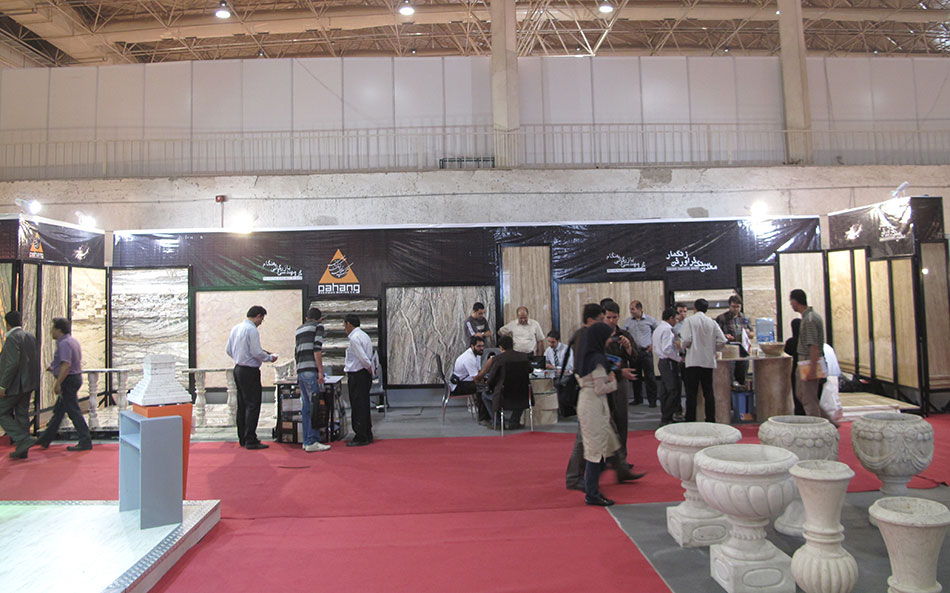
This year’s exhibition had more consistency and stability from last years. Displacement of exhibition to the new area in “Nimvar” city with an area of approximately 55 thousand square meters was the advantage of exhibition in this year. Project of exhibition area that has been designed with international standards, were faced with the satisfaction of participants and visitors.

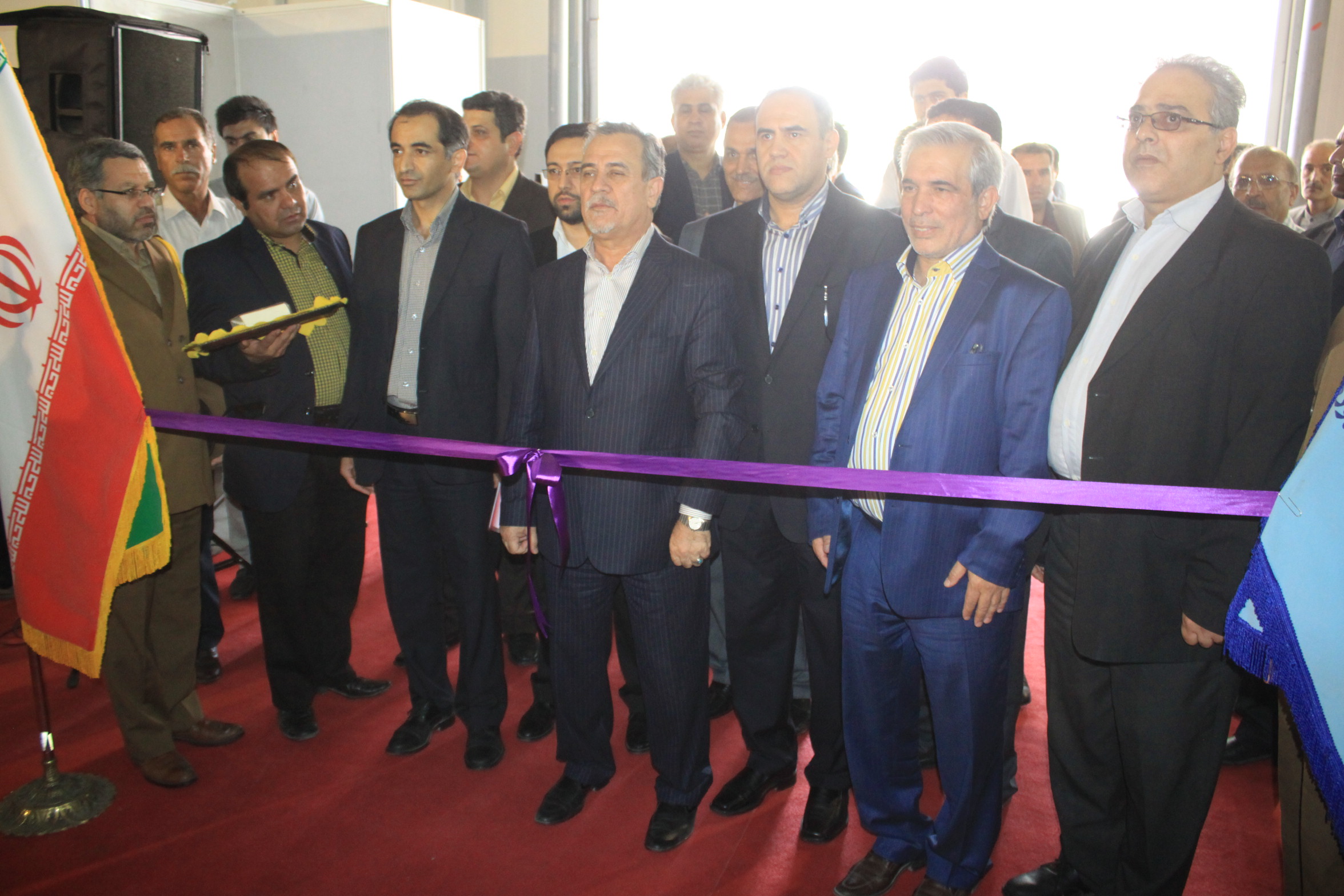
The opening ceremony was held by the presence of Deputy Minister and a number of provincial administrators, with Appreciate and thank those who were responsible for the preparation and conduct of this great exhibition within 86 days.

Coordination and planning for visiting foreign delegations began at the second day of the exhibition schedule.

Holding such exhibitions for knowing Iran`s stone and Iranian producers can be very useful and effective. Foreign delegations that visited the “Iranstoneexpo” were:

Monday 12/10/2015: Mr.Ambassador of Vietnam

Tuesday 13/10/2015: Export Manager of Italy… Mr. Sappa  Gianmatteo, Ambassador of Tajikistan with delegation of Tajikistan

Italy and China participated in the field of machinery, Turkey and Spain in the field of machinery and stone.

And countries such as Afghanistan, that for the first time, their stone blocks were exhibited in “Iranstoneexpo”.

[foogallery id=”1428″]

Statistics show us presence at “Iranstoneexpo” compared to last year grew up by 300 percent and about 6,000 visitors, visited the exhibition.

However “Youstone” foreign guests in two different groups visited the exhibition during two days. 

The first group were Korean,”SUNG IL KIM” and “JAE-KON Ko” .they visited the exhibition on the third day of the exhibition and the second group were French ,”Rainbow Andrew”  and “Jean Marc Lamy” participated at the exhibition on the last day.Most of the visitors were satisfied from visiting the exhibition. During the interview with Mr. Rainbow Andrew and Mr. Jean Marc Lamy, They evaluate the exhibition is very positive and because of participating in many international exhibitions, they said that this exhibition in terms of variety and quality of stones and exhibition halls is valuable and great.

And noted that the exhibition space and its Performance by managers   Mr.“Nikfar” , Mr.Pourhassani, Mr. Hallajian and colleagues show that a very strong “volition” and “reliable quality” exists in the structure of the exhibition.

Which has caused them to be prepared to participate in the “Iranstoneexpo” 2016 from now.

[foogallery id=”1452″]

Export Manager of Italy, Mr. Sappa  Gianmatteo

In this exhibition, seminars and training classes were held as follow:

The role and usage of stone in new architecture

Modern methods of mining

Deliberation of difficulties in mining, offering solutions, with focus on the production and export of decorative stone

Energy efficiency in production of decorative stone, and etc.

[foogallery id=”1444″]

[foogallery id=”1453″]

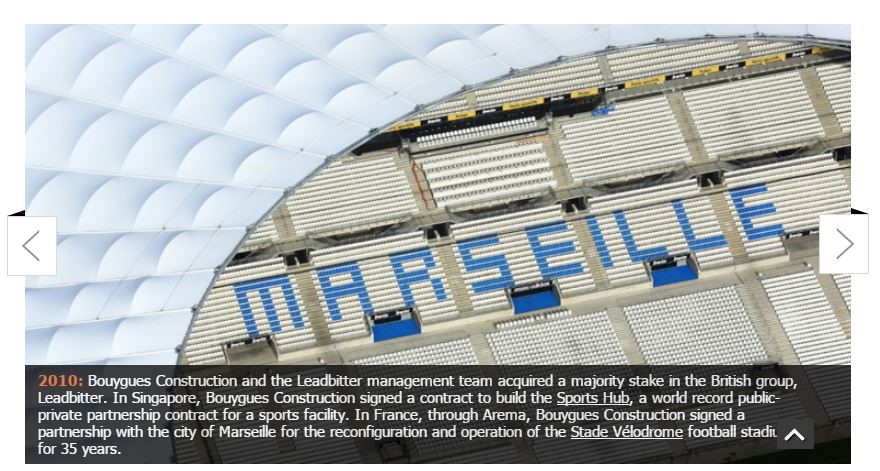
French Group from Bouyugue Construction

Date: 15 Oct 2015

Youstone invites Korean trading group to Mahalat stone fair

After identifying and inviting French traders, Youstone asked its representative office in South Korea to bring and accompany several stone experts to Tehran and Mahalat fair so that they can evaluate the quality, the variety and the price of Iranian stone and then initiate the primary stages of importing processed stone from Iran. Youstone’s goal is to introduce Iranian stone to the world, specifically to countries with a high record of stone import.

As it was pointed out in previous news, after China, India, the United States and Italy, Korea has the highest rate of stone demand and import. It is obvious that the presence of stone experts from Korea is both important and crucial in the current market conditions.

According to the negotiations with Korean traders, 3 experts were introduced to visit Mahalat stone fair and consider buying stone from Iran, two of which are active in stone marketing in the representative office of Youstone and the other one is invited from a Korean company which is active in buying stone for major projects like hospitals, hotels, etc.

The Korean company of Hancock started its activity in Seoul in 1989 and has imported stone from Italy, Greece, Germany, Portugal, Turkey and Mexico.

Therefore, it’s a good opportunity for Iran’s stone activists to introduce their products and expose the quality and variety of Iranian stone to other countries for the purpose of export and extension of the international market.

Currently, all of Youstone’s effort is focused on reaching an agreement with Korean and French traders and facilitating their participation in the fair.

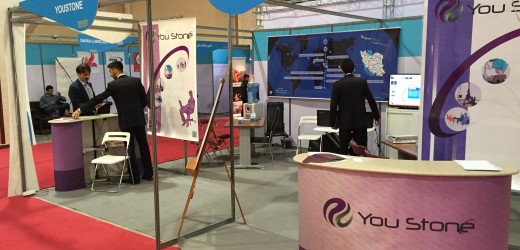
Youstone’s booth located in NO.50, Hall B welcomes you to the 8th Mahalat-Nimvar stone fair.

Date: 10 Oct 2015

Youstone invites a French trade delegation to the Stone Exhibition of Mahallat

According to the export approach of Youstone, it is consulting with the French Bouygues Company (one of the world’s largest construction contractors) to send some of its purchase experts to the Stone Exhibition of Mahallat-Nimvar. Youstone considers the introduction of Iranian stones to foreign construction companies as one of its important tasks and it has always worked to achieve this.

So far, our negotiations have led to identifying and inviting a 4-member delegation of French businessmen, as noted from Bouygues , in order to attend and visit the 8th Stone Exhibition of Mahallat and purchase the stone required. Thus, it is a great opportunity for Iranian stone practitioners to offer their products at reasonable prices, and good variety and quality for export purposes and developing their international market.

In the coming days, Youstone will inform you about the visit process of this trade delegation.

In Hall B, Pavilion 50, Youstone honors all practitioners of the stone industry to the 8th Stone Exhibition of Mahallat.

Below is an introduction to the French Bouygues Company:

History:

The company was founded by Francis Bouygues in 1952. In 1970 Bouygues became listed on the Paris Stock Exchange. In 1985 and 1986 Bouygues acquired road construction groups Screg, Sacer and Colaslater reorganised as Colas group. In 1987 the company started operating the television channel TF1 and in 1988 Bouygues moved into its new head office, the Challenger complex, in Saint-Quentin en YvelinesIn 1996 the company launched Bouygues Télécom and in 2006 the company acquired 23.26% of Alstom.

In 2014, consecutively to Alstom’s cession of its Energy activities to General Electric, Bouygues granted a call option to the French government allowing it to acquire a maximum of 20% of Alstom, currently owned by the group.

Business Structure:

Construction

  • Bouygues Construction (100% share): construction, public works, energy & services, with a presence in 80 countries worldwide
  • Colas group (96.6% share): roadworks, construction, railways and maintenance
  • Bouygues Immobilier (100% share): residential, corporate, commercial and hotel real estate and urban development, property development
  • BINA Istra (16% share): motorway development and management

60 YEARS TO BUILD A MARKET LEADER:

Ever since the earliest days of the Bouygues Group, Bouygues Construction has grown through a long series of innovative projects, both at home in France and in many international locations. Its ability to leverage its expertise to meet increasingly ambitious challenges defines the identity of a group that never stands still.

Year-book of the group:

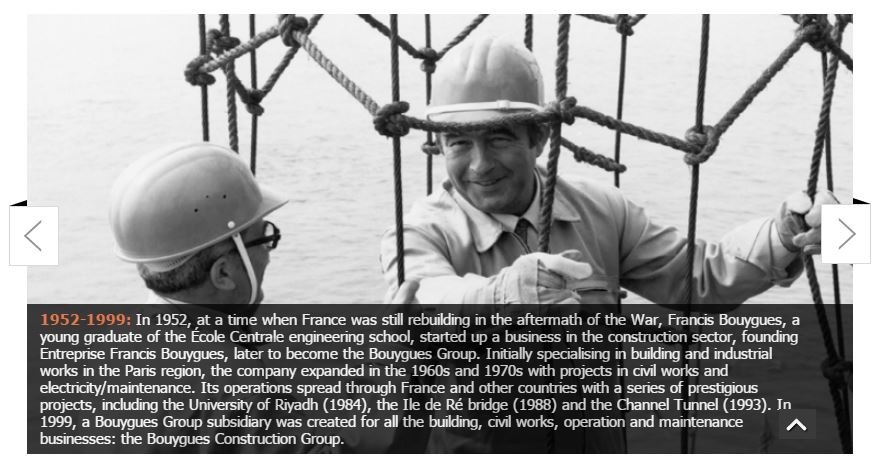
1952-1999: In 1952, at a time when France was still rebuilding in the aftermath of the War, Francis Bouygues, a young graduate of the École Centrale engineering school, started up a business in the construction sector, founding Entreprise Francis Bouygues, later to become the Bouygues Group. Initially specialising in building and industrial works in the Paris region, the company expanded in the 1960s and 1970s with projects in civil works and electricity/maintenance. Its operations spread through France and other countries with a series of prestigious projects, including the University of Riyadh (1984), the Ile de Ré bridge (1988) and the Channel Tunnel (1993). In 1999, a Bouygues Group subsidiary was created for all the building, civil works, operation and maintenance businesses: the Bouygues Construction Group.

1

2

2004: The Group created a Specialist Civil Works division consisting of VSL and DTP Terrassement. In the same year, Bouygues Construction signed a flagship contract for the construction of the Masan Bay bridge in South Korea. Meanwhile, the Groene Hart tunnel in the Netherlands was handed over. This remarkable 7-kilometre infrastructure, bored under the water table through sand and silt soil, allows 2 trains to pass each other at 300 kph.

3

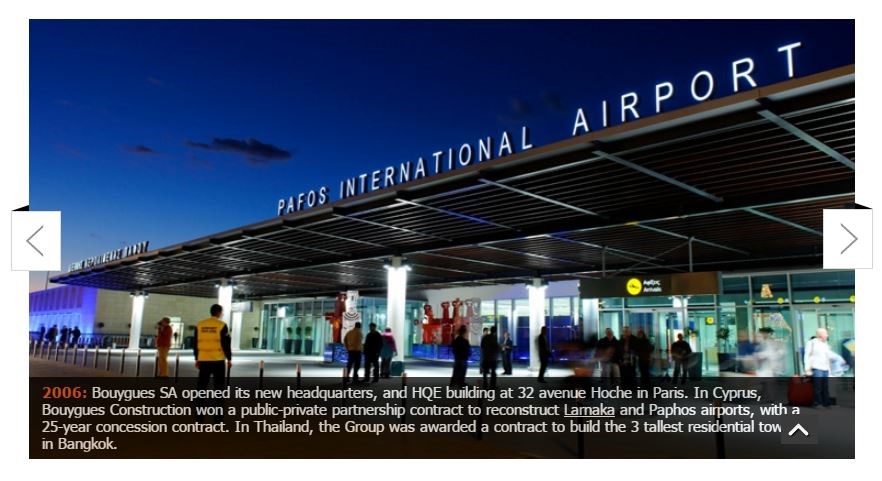
2006: Bouygues SA opened its new headquarters, and HQE building at 32 avenue Hoche in Paris. In Cyprus, Bouygues Construction won a public-private partnership contract to reconstruct Larnaka and Paphos airports, with a 25-year concession contract. In Thailand, the Group was awarded a contract to build the 3 tallest residential towers in Bangkok.

4

2008: Bouygues Construction won its first public-private partnership contract in Canada, for the construction of the Jim Pattison Outpatient Care and Surgery Centre in Surrey, British Columbia, along with operation for 30 years. In France, the Group handed over the A41 motorway, linking Annecy and Geneva.

5

2009: Bouygues Construction won a contract worth €950 million in Qatar, for the construction of the QP District, a vast property development consisting of nine towers. Several projects were completed, including a teaching hospital in Clermont-Ferrand, the Rolex Learning Centre in Lausanne, and the Tangiers Med 1 port in Morocco.

2010: Bouygues Construction and the Leadbitter management team acquired a majority stake in the British group, Leadbitter. In Singapore, Bouygues Construction signed a contract to build the Sports Hub, a world record public-private partnership contract for a sports facility. In France, through Arema, Bouygues Construction signed a partnership with the city of Marseille for the reconfiguration and operation of the Stade Vélodrome football stadium for 35 years.

6

2012: VSL, a Bouygues Construction subsidiary specialising in post-tensioning systems, completed the installation of the cable-stayed segments of the world’s tallest cable-stay bridge. Located at Baluarte, Mexico, the bridge crosses a deep canyon, and at its highest point reaches approximately 403 metres. VSL’s contribution to this exploit has been acknowledged by the Guinness Book of Records.

2014: Alongside Vinci, Bouygues Construction was awarded a contract to construct the Nouvelle Route du Littoral on Reunion Island. The Group handed over 2 flagship projects in Asia: the Kai Tak Cruise Terminal Building in Hong Kong and the Sports Hub in Singapore, a temple of sports and leisure.

Bouygues is active in 100 countries with over 127,470 employees.

Date: 10 Oct 2015


How to choose natural stone for projects?

Rogerio Moutinho, MGLW (United Kingdom)

What do architects and designers really look for, when they want to use natural stone?

Without trying to be too simplistic, what one really wants when choosing natural stone for a project is:

1.- A stone with the right colour and pattern

2.- A stone that is suitable or adequate for the purpose, i.e., it is hard enough,not too absorbent, etc.

3.- That the natural stone is fairly easily available, i.e., in the quantity that one requires, and is so within the time frame of the project.

4.- Finally, a natural stone that is affordable or basically that which is within the budget originally allocated. 
 

But before we get into more detail regarding these four points let us also ask ourselves the following question: What comes to your mind when you hear the word NATURAL STONE?

Do you see DESIGN and DECORATION – because you saw a beautiful entrance hall in a hotel, or a showroom with a fine-looking worktop, or even a striking shower cubicle with some exquisitely book-matched veined slabs of an exotic material?

Do you also see ART – the many beautiful sculptures, be antique or modern, are you are able to enjoy as you walk around a city or when visiting a monument?

Do you see it as a BUILDING MATERIAL – how often, as architects or designers, have you stopped to admire a beautiful façade, a rustic wall, a shop-front with a special finish?

Finally, do you see natural stone as HISTORY – nobody can deny that natural stone is an integral part of our heritage. The evidence is there to be seen in every country. As one of the most durable materials, natural stone has always been used for structures (from the pyramids of Egypt to just about any old building in any city), and they are a living testimony of human history.

Because of all these values that it encapsulates, natural stone is really a material like no other.

Now, stone is a natural product, and, as such, it has its own particularities, which means that we must make carefully informed decisions when choosing one for a project. But, going back to the topic – what are the criteria one should take into account when choosing natural stone for a project?

One good method is to make a CHECK LIST that summarises the main criteria. Of course, each point can include many variables depending on the particular situation, but the most important ones are covered here and are valid for most of them.

All these points in the CHECK LIST are all crucial, and they are listed below in no particular order.

1.- Commercial or domestic use

2.- Internal or external application

3.- Special finish requirements

4.- Colour scheme and book matching

5.-Quantity required versus availability

6.- Sampling and viewing the stone in LARGE slabs

7.- Budget

8.- Technical data or tests

Although these are quite self-explanatory, let us go into some detail about each of them.

1.- Commercial or domestic use:

Commercial use implies heavier traffic, which requires a harder-wearing stone. One should not use a soft limestone, no matter how great it looks, on a shopping centre floor, but one can use it for the walls.

On the contrary, for domestic use one has, in theory, the whole array of natural stones to choose from, depending on the purpose: for example, for a kitchen countertop, the best choice remains granite, because its chemical composition makes it less susceptible to staining from acid corrosion.

2.- Internal or external application

With regard to internal use, the only limitations are those we have already looked at.

When it comes to natural stone for external use, the first thing to bear in mind is: is it for wall cladding, or is it for flooring? Most stones are suitable for cladding because water just runs down the walls, but, nevertheless, one should take into consideration the technical data of the stone. For example, the absorption data should be considered. Nowadays, there is a test called ‘salt crystallisation’ which gives one an idea of how the stone will age and wear over time.

As for external flooring, weather factors play an even bigger role. Water, snow and ice (depending on the climate of the place), will remain on the surface and will have a much greater interaction with the stone. In my experience, external flooring in cold climates requires stones which meet the highest specifications.

3.- Special finish requirements

For safety reasons, projects often require a special non-slip surface. In many cases, this implies applying a special finish such as flaming, bush-hammering or sandblasting. But bear in mind that some of these finishes cannot be applied to all the stones.For instance, flaming is out of the question in the majority of limestones.

4.- Colour scheme and book matching

There is always a natural stone for almost every colour scheme in anyone’s project. Stone is a natural product, it comes from a quarry, not a factory line producing perfectly evenly coloured pieces. This natural colour variation makes it unique and gives it its beauty. The issue here is- quantity versus uniformity. If the project is for a large area, one may want to restrict oneself to stones that are naturally more uniform. Additionally, one should be aware of the great potential for effect of book-matching with veined materials (image book-matched material) This can make one´s project really unique because there will be no other set of slabs in the world with the exact same pattern.

5.- Quantity required versus availability

It seems obvious, but many people are often surprised at how often problems arise because of unreasonable expectations around two aspects:

Of any given stone, there are slabs that are more figured and others that are less figured. If one goes for a perfectly clean look, for a larger area, it might be impossible to achieve the required quantity. Nobody will dig out half a mountain to make your dining-room floor.

On the other hand, even without this sort of limitation, when one deals with mega-projects, one must make sure beforehand that the quarry has the capacity to extract the quantity of material required within the required timescale.

6.- Sampling and viewing the stone in LARGE slabs

Continuing from the previous point, it is imperative that one does not make the final decision on using a natural stone based just on a sample. This is, in my opinion, one of the most common mistakes made in the stone industry. Whenever possible, it is highly recommendable to visit the local distributor and see for oneself the large slabs that will give one a much more realistic idea of what the stone will look like in a bigger area, be it flooring, a façade, etc. High quality photographs of slabs can also been seen on the tablets as an alternative, when a personal visit is not possible.

7.- Budget

This is obviously the most self-explanatory point of any check-list. However, it must be said that there is almost always a natural stone for every budget.

8.- Technical data or test

Depending on the project that one is working on, it is important to be aware that quarries are increasingly producing technical data sheets for each type of material, based on lab tests. Since July, 2013 the European Union has making it compulsory for quarries to supply this information.

To sum up, natural stone can add a unique value to a project, it just requires choosing wisely. Please make the most of the knowledge and experience built up over the years by your distributor / natural stone supplier. Visit them, talk to them, feel the natural stone, ask all the questions, no matter how simple they might seem. And if there is a particularly complicated requirement, your stone supplier is there to get for you all the answers directly from the quarries.

A project in natural stone highlights the uniqueness of not just the stone, but of the whole project itself. Make the choice the proper way- and you will be even more proud of what you have built.

Published in LITOS 118, September 2013

Source : litosonline

The Second Participation of Youstone this time in Mahalat Fair after two Months from the Official Opening of this System

After one year from the information collection and the efforts of experts in this complex for launching the system and opening it officially in “The Seventh International Fair of Stone, Mining and Related Equipment” in July, Youstone is preparing to participate in one of the important Iranian fairs, i.e., Mahalat Fair. Markazi Province, especially Mahalat County, is a main producer of stone in Iran, Thus, participation in this fair is considered a way for introducing Iranian stone to foreign and local customers. This gap is specifically felt after the agreements of Iran with 5+1 countries and the need of Iran for development of international markets. Foreign companies should participate and visit local fairs for the growth of this industry. Regarding the abundant sources of stone in Iran and the variety of the designs and colors of stones, the participation of mines and companies is necessary in this fair. We aim to activate this market in Iran and foreign countries. This will be achieved with the help of authorities and activists in stone industry.

Youstone also tries to develop the market of this Iranian heavenly blessing and has started its activities for local and international information and is helping to develop international market.

mahalat-stone-expo-t-500x281

Executive Secretary of the Eighth International Mahalat Stone Fair said: “Foreign companies have welcomed this fair more than those of previous years.”

“After the agreement of Iran with 5+1 countries, Russia, Ukraine, Qatar and the Gulf Countries announced that they will participate in the Eighth International Mahalat Stone Fair,” said Mohammad Halajian in an interview with IRNA on Sunday.
He added that companies form China, Italy, Spain, Germany, Turkey and the Gulf Countries that participated in the Seventh International Mahalat Stone Fair also announced that they will participate again in the fair.
 “Some countries like China and India will directly participate in the fair and European countries will send their representatives to the fair,” he added. 
He stated that the Chamber of Commerce cooperated with us and provided us with the list of 200 businessmen; 90 percent of these businessmen have announced that they will participate in the fair.
 “The Eighth International Mahalat Fair of Stone and Mining will be held in Mahalat, Nimvar in a surface area of 55000 M2 in eight separate halls from October 11th to October 14th,” he said.
Four thousand Tons of raw stone from 70 Iranian mines was exposed to visitors in the Seventh International Mahalat Stone Fair last year.
Mahalat is located in Southern Markazi Province, 105 kilometers from Arak.

Source: IRNA

Cooperation of Youstone and DaryaHoor, Granting Special Discounts to Members of the Youstone Website

In line with its mission in providing services to members of Youstone website, Youstone provides new service as follows:

Cooperation of  Youstone and DaryaHoor:

DaryaHoor company with more than 20 years of activity in the field of transportation, provides the following services to exporters of stone.

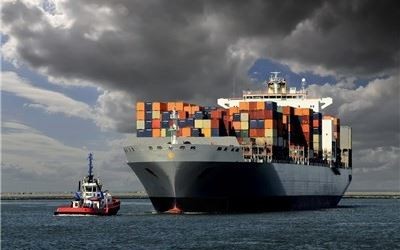
A) The container services for sea shipment of building and decorative stones:

  • Land, sea and rail transport
  • Transportation planning and logistics services
  • port and terminal services by offering the best prices of stuffing and Lashing
  • Transportation services for free to calculate the price and feasibility of export

B) stone carrier services in bulk:

  • Renting and representation of ships and suitable floating
  • loading and unloading services
  • Transportation planning

In DryaHoor, we have introduced ourselves as a specialized exporter of mineral stones and stones for export. We do not consider our background the reason for this, but the effective communication with exporters, terminals and shipping lines which, in a comprehensive look at all stages of transport, has led us to get familiar with all the problems and prevent them.

Thus we announce the prices that the company will receive for carrying stones to its customers:

The cost for loading inside the container (with admission): 340,000 Tomans

The cost for loading inside the container (without admission): 300,000 Tomans

Lashing price: 45000 Tomans

Also, the costs related to transportation which have been announced for the next 10 days were as follows:

Origin: Shahid Rajai port

Destination: Xiamen

Shipping cost: 270 USD


Destination: Shanghai

Shipping cost: 270 USD


Destination: Spain, Valencia

Shipping cost: 1950 USD

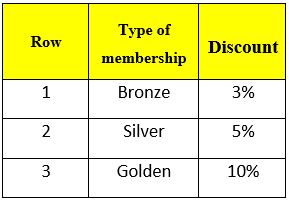
In line with its mission which we consider if for helping to facilitate exports by providing professional services, we have decided to offer discounts to members of Youstone website in accordance with the following table.

The discount is applicable on the total cost of transportation.

12

Interview of the special edition of “Economy and Exhibition” with Mohammad Rassa, the Executive Director of Youstone Site

Youstone Website Opens a Door to the World of Stone Export

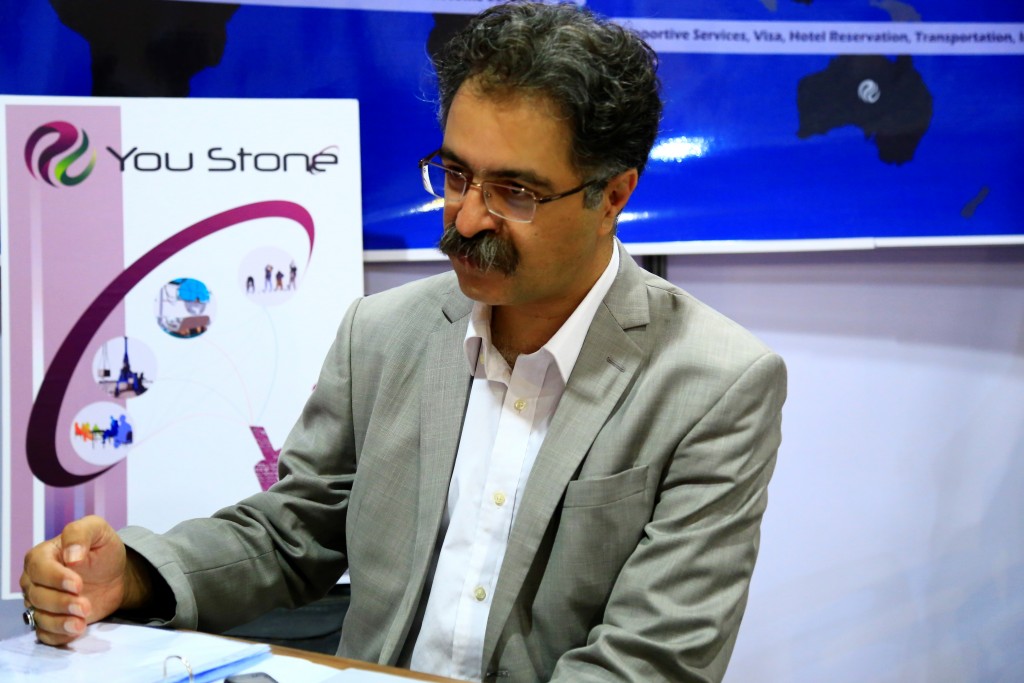
Youstone website was launched to provide all the information related to the stone industry, factories, mines, and other related businesses together in large-scale for domestic and foreign audiences; the idea which is- in view of its director, Mohammad Rassa- supposed to open a door to international markets for the stone industry of the country. The Youstone site is the first site which comprehensively provides the audience with this information and in this regard, its managers predict that they will achieve a significant success in this field. Lack of information in the view of the stakeholders of this site is one of the major causes of the low contribution of Iran in stone International Market and this site has been created to fill this gap. Read the interview of Economy and Exhibition with Mohammad Rassa:

Which role the Youstone site is supposed to have in stone marketing? 

In our view, this site has opened a door for the industry to the stone international market. We think that if we can implement all the ideas that we have, we will be successful in this field. 

 1-1024x683

Discuss about the ideas about how to set up this site and services that are supposed to be offered?

Because there is no comprehensive information in the stone industry, we came to the idea of launching a website aimed at informing in this area. This site is a database of stone industry in Iran, a source of information about mines, factories, merchants of stone and service providers as well as  machinery and equipment suppliers. Youstone is the first specialized pioneer of information in stone industry which was launched first in Persian and English and was inaugurated in this exhibition. But until next week, the information will be available to the audience also in Russian language. Also we plan to publish contents until next year into Chinese and Arabic and Italian as well, so that anyone from anywhere in the world could have access to the information about Iran stone. The second element of the site is content that in this section the information related to the world market of stone in target markets and latest technologies of stone industry are offered. Is it probable that a stone industrialist inside the country may not know what quantities the South Korean market has? What kind of stone does it consume? From which countries does it import? Which stones does Brazil produce and to where does it export them? This is the content sector in the site. The third pillar of the site is the service sector. Services that we offer, which electronic services are part of them, are the relationship between members, web advertising and informing members.

Another sector is special services. For example, our offices in China, Italy or South Korea which conduct trade negotiations or provide transport services, insurance services, information about the export is put on the site. That is enough information is comprehensively provided to a miner or exporter or manufacturer.

Fortunately, we don’t have any rival and we offer services to all. Exporters can trust us as much as a miner or manufacturer can. We have also a wide range of minor services such as the introduction of entrepreneurs of stone industry, the introduction of pioneers in stone industry, Encyclopedia of Public Information, introduction of standards and etc. which are of peripheral sectors in site.


When did you start?

The site was inaugurated yesterday simultaneously with opening of the stony industry exhibition. We started our work last year. We registered about 90 percent of mines and 50 percent of factories. We expect that it will take about two years to become a brand.

Do you have in mind development plans for the future? 

Development of services in other countries are of our long-term goals. Since an Iranian businessman needs to get familiar with the international markets, the large companies and factories, we are seeking to establish offices. Our aim is to establish a permanent exhibition in the buyer country.

The issue of branding is of our developmental goals, as no work has already been done on this particular area. Marketing and business services are also important goals. Since we do not exactly know what the market wants, We are seeking to develop mechanisms for accepting orders. We want to identify the large customers and confront them with the stone industry in Iran, so that products or orders will be provided.

 DSC02147-e1438578043461-768x1024

What is the effect of this work on growth of the stone industry?

The most important issue is that the field of e-commerce in the country has not yet found its place. The stone industry also has traditional structure. The first step is to upgrade the status of e-commerce in the stone industry of Iran. To the extent that this issue develops, we will be able to give services. We should be able to do something in the next two years so that all stone industry holds this idea that it is a widespread and cheap method. Now in the world, 3 billion and 200 million people have Internet access and there are 7 billion mobile subscribers. In fact, 3 billion and 200 million people can be informed by the internet, so even if the stone industry be put in a general and cheap and fast direction, the way to serve more may be opened.

How do you evaluate the impact of the exhibition on the stone market? 

Unfortunately, since the economic situation is not favorable, the number of participants is low. Perhaps more than 8 thousand companies in the country are involved in the stone industry, including miners, factories, trading and service providing companies. But about 120 participants among these is very low and it must increase. Youstone website can introduce practitioners in the field more inclusively and effectively and at a low cost, and I hope that the prosperity of exhibition exceed in this way.


What is the status of Iran stone industry at the moment?

Unfortunately, the Iran stone industry already has tiny proportion in the world market. Turkey is the fourth stone manufacturer in the world and last year it had two billion and 600 million dollars of income from exports. And its program for 2025 is about 23 billion dollars, while Iran’s share of world market is just 200 million dollars. Stone market is a huge market, but our share of the global market is very low.


Shadi Sirous,

Journal of Economics and Exhibition

The official visit of the Minister of Industry,Mine and Trade from the seventh International Exhibition of Stone and the video-clip of his official visit from the YouStone stand

DSC02137 (2)

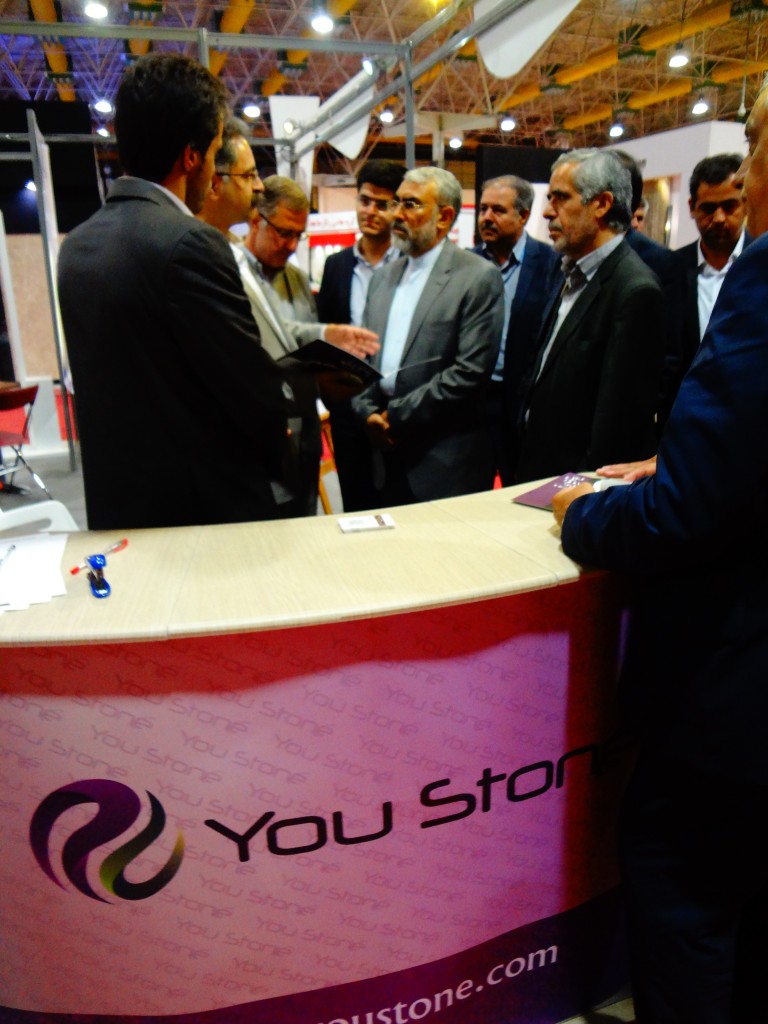
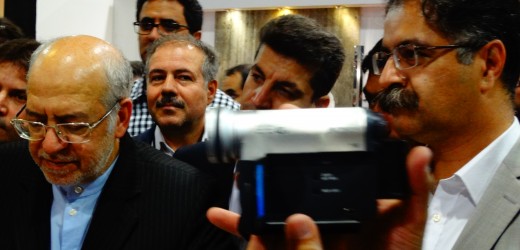
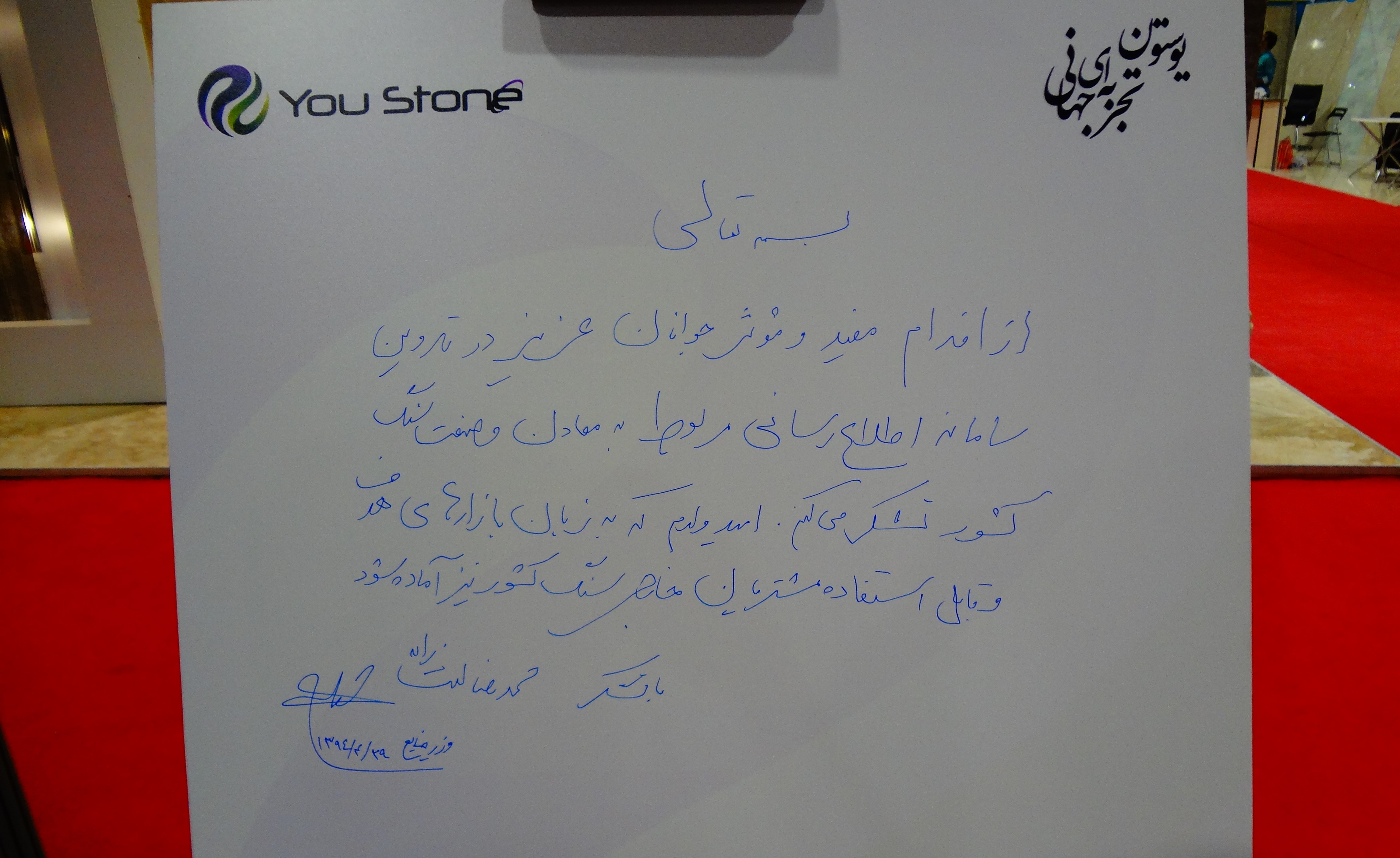
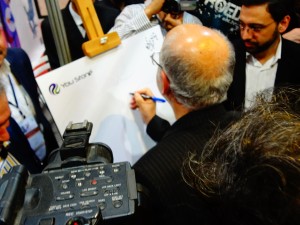
The commencement of the seventh Exhibition of Stone was simultaneous with the official unveiling of the YouStone Website. The opening ceremony of the exhibition took place in the first day with the presence of the respectable members of the stone association and their entourage; they also visited the stands of the stone industries. In addition, in the final hours of the first day a special ceremony, supervised by the Minister of Industry, Mine and Trade was held. In spite of a tight schedule of activities, visiting the exhibition stands, especially unveiling the YouStone Website, was the Minister’s top priority. Visiting the YouStone stand and writing on a commemorative plague by the Minister is the highest honor of this company.

DSC02122-e1437398051405-225x300DSC021291-300x225DSC02116-300x225

YouStone regards this event as a good omen and with a firm determination keeps moving on to pursue its objectives.

And now, we invite you to watch the video-clip of the Minister’s visiting from the YouStone stand.

A report on the first day of the seventh exhibition of stone, mining and related industries

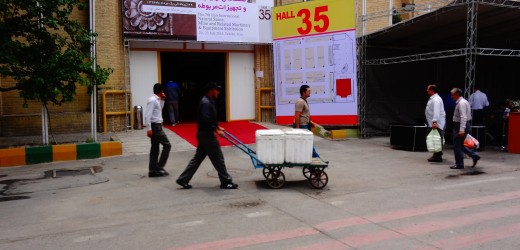
The seventh exhibition of stone inaugurated with the presence of a number of members of the stone association and the head of the association, Dr. Shafiei, at 11 am. But due to interviews and press briefings, visiting all booths of the exhibition was not possible for the board of visitors. This year’s exhibition has been held with three halls (35, 38 and 41) and more than 100 booths.

     Due to the inception and press briefings, the first day of the exhibition was very a very busy day for exhibitors and visitors. In hall 35, mine owners and stonecutting factories; and in the hall 38 and 41, related industries and machineries could also be seen. But in the hall 38, booth of stone exhibition of Mahallat could be visited beside other participants.

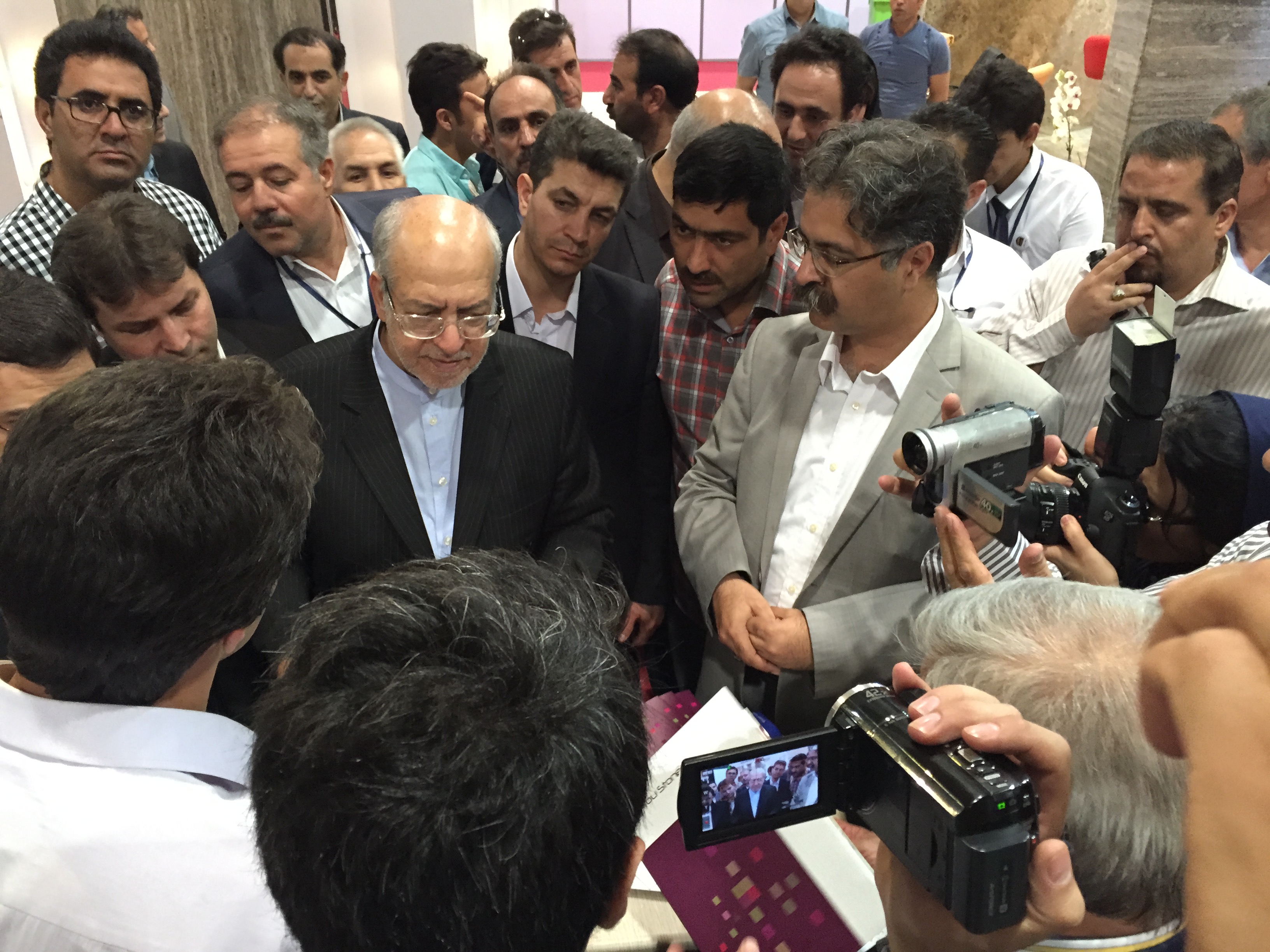
     This exhibition is ready for registration of stone manufacturers in a space of over 55,000 square meters and 5 halls which will be held in 2015 in Mahallat. The exhibition is active each year with more than 200 domestic and foreign participants. At the end of the first day of the tradeshow, the presence of Minister of Industry, Mine and Trade, Mr. Nematzadeh, Dr. Shafiei and the accompanying delegation and their official visit from YouStone stand was complementary of the exhibition programs.

IMG_2865

Iran Exhibition in World’s Top Six

Late July days are marked with reopening of professional exhibitions at Tehran Site. 23th International Exhibition of Tile and Ceramic, 13th International Exhibition of Kitchenware, Bathroom, Sauna, and Swimming Pool Accessories, and 7th International Exhibition of Stone Mines and Related Machineries and Equipment are all going to open on July 20th.

IMG14342951

In recent days and in form of exhaustive reports, we carried out investigations into the necessary conditions for holding such exhibitions in countries other than Iran. Now, as we are more and more approaching the opening time of exhibitions, we have the chance to talk with related authorities and administrators. As our first step, we attended Exhibition of Stone, an almost young exhibition with, yet, great significance. Simultaneous with the Sixth Exhibition of Stone (2014), a series of tours to mines and related professional meetings and conferences were held with focus on exploration, mining, processing, sale, and export issues, which well reveals the importance of the exhibition. Here, we have a talk with Abolqasem Shafi’i, head of Iranian Association of Stone and administrator of the exhibition, in order to know more about different dimensions of this professional event. Follow us with SAMT News:


Would you please talk about the exhibition of stone? What are we going to experience here?

The 7th International Exhibition of Stone and Related Machineries and Equipment will, if Allah wills, open in a few days at Tehran Permanent Site for International Exhibitions. In comparison with the former exhibition held in Iran on 2014, the exhibition has a 30-percent increase in space and it covers three main parts: mining, processing, and related machineries.

The exhibition is mainly aimed at clarifying production capacity of domestic and foreign producers, providing a competitive background for and proper communication between researchers, producers, consumers, as well as professional-engineering companies. A total of 100 domestic and 24 foreign companies are going to exhibit their products on a land area of 11.000 square meters from July 20th to July 23th.


With regard to Iran’s new opportunities for international communications, how far have you been successful in attracting foreign producers?

The conditions, for sure, has changed for better. It is for the first time that some European companies, including Spanish and English ones, are taking part in the Iranian exhibition of stone. In addition, some German, Italian, Greek, and Bulgarian companies are present here as the main participants of the event. There are, furthermore, some Chinese, South Korean, Russian, Turkish, and Indian producers accompanying us in the event.


How many counterpart exhibitions of stone and related industries are held in other countries?

There are 12 active countries in stone, mining, and related industries. These countries domestically have the raw materials, which makes them self-sufficient in stone. Germany, Italy, Spain, and Portugal from Europe, India, China, Turkey, and Iran from Asia, Brazil and Mexico from South America, and finally, South Africa and Egypt from Africa are the active forces of the area.

International professional exhibitions, however, are held only in 6 countries. Italy, China, Spain, Turkey, India, and Iran are the six countries who, enjoying rich stone resources, hold great stone exhibitions. There are other countries, of course, such as UAE and Russia, who are active in holding exhibitions, not, however, as producers, rather consumers. These countries have nothing domestic to produce, yet they try to be active in exhibitions, exhibiting their imported stone industry and gain the related advantage.


Which Iranian cities, do you think, are capable of holding related exhibitions of stone?

Isfahan and Mahallat are well qualified for this. Isfahan exhibitions are great exhibitions attracting reputable foreign companies. Isfahan rich mining resources and the corresponding capacities in production of related machinery have made it one of the significant names of the field.


How far can such exhibitions help stone industries’ development?

For sure they have positive influences on improved development procedures. Provided background necessities for domestic production of machinery, ergo independence in the field is one of the changes came true through such exhibitions. I should mention that Iran has a potential 2-billion-dollar export capacity per year, which is not achieved so far. More than 17 million tons of decorative stones are each year extracted in Iran. Holding stone exhibitions is a step toward improved actual export capacity. Anyway, we hope Tehran Exhibition of Stone is ideally held and helps us achieve our desired objectives, particularly within international markets.


Is there any related side events and workshops?

Yes, professional meetings are going to be held so that stone activists will better consult and cooperate with each other.


What are your plans for exhibition’s opening ceremony?

We have invited Mr. Ne’mat-Zadeh, minister of industries, mining, and trade, to be here with us, and he has accepted our invitation. All related deputies as well as members of Iranian Association of Stone are also invited.


Source: SAMT News